Back to all products
Dust Collectors
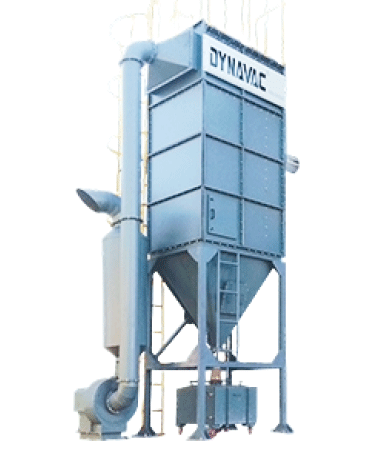
BAGHOUSE DUST COLLECTORS
SKU wgl-1624-5
₹200/ unit
MOQ — Lead time on requestCurrency INR
Highlights at a glance
- ✓Category: Dust Collectors
- ✓Made in Coimbatore, TG, India
Dynavac Reverse Pulse Jet Baghouse Dust Collectors: Mastering Industrial Dust Control
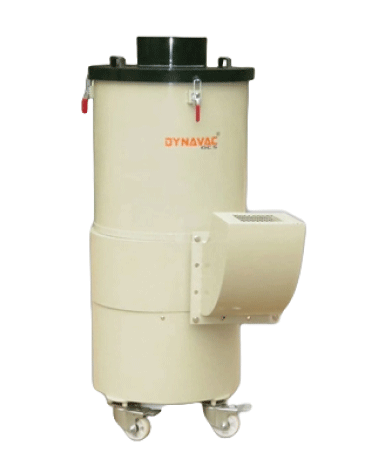
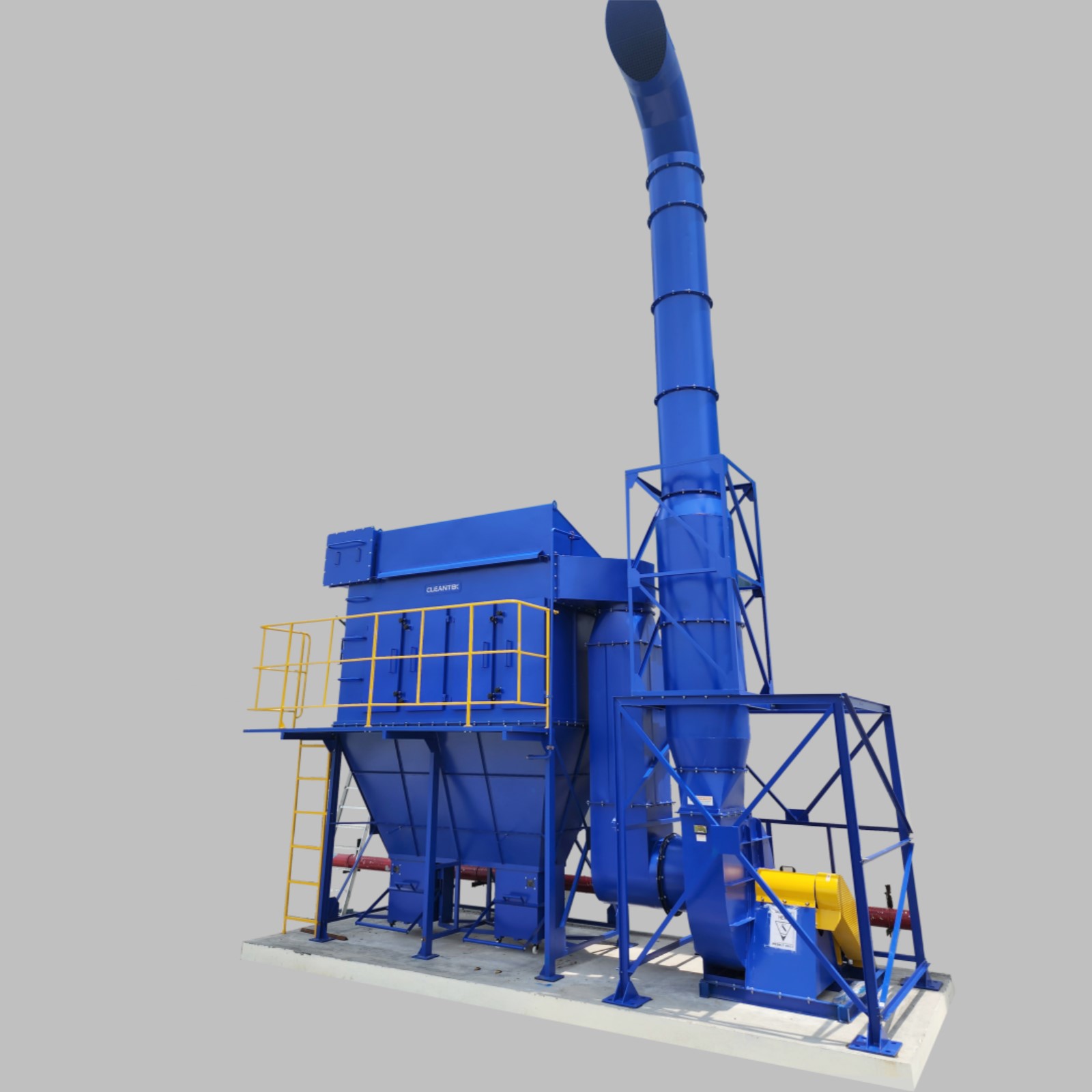
Imagine a single, efficient solution to dust control across your entire facility. **Forget the clutter and expense of individual dust collectors for each machine**. Dynavac’s Reverse Pulse Jet Baghouse Dust Collectors offer a centralized approach, connecting seamlessly to multiple processing machines through a dedicated ducting system. This not only saves valuable floor space, but also streamlines dust management for optimized efficiency.
**Built to Endure:** Industrial environments are demanding, and Dynavac understands. Our Baghouse Dust Collectors are crafted with heavy-duty materials and meticulous construction, ensuring long-lasting performance even in the harshest conditions. From heavy metal casings to weatherproof coatings, every detail is engineered for unwavering reliability.
World-Class Filtration
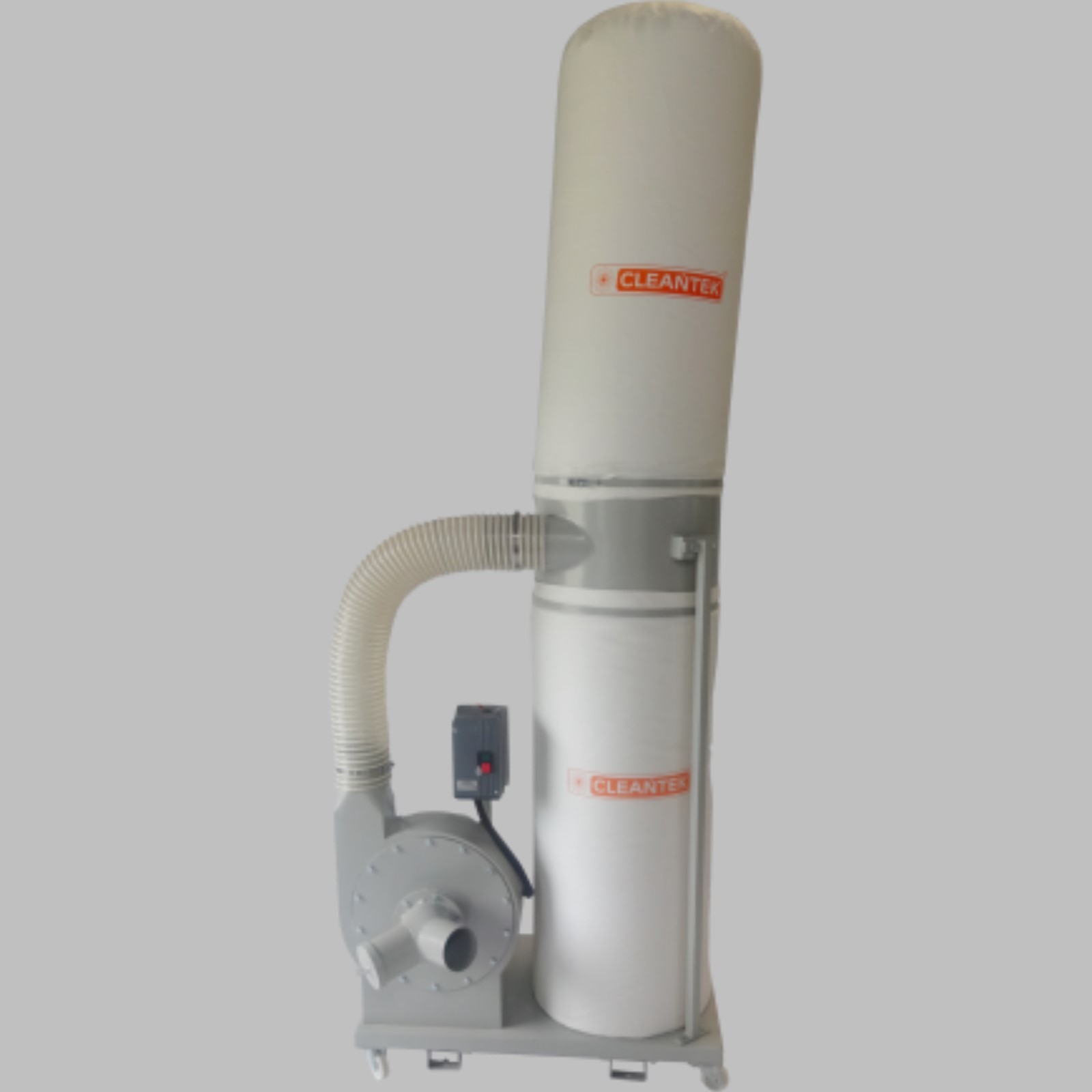
At the heart of our dust collectors lies the premium filtration system. We offer a diverse range of bag filter configurations and sizes, perfectly matched to capture even the most challenging dust particles. Moreover, our commitment to sustainability shines through – our bag filters are not only effective but also eco-friendly, minimizing waste and adhering to stringent environmental regulations.
**Pulse Jet: The Cleaning Powerhouse:** By maintaining a constant pressure difference between the clean and dirty sides of the filter, it guarantees a consistent air flow for uninterrupted production.
**Operator-Friendly Design:** We believe dust control shouldn’t be complicated. That’s why Dynavac Baghouse Dust Collectors feature intuitive control systems, designed for ease of use and clarity. Choose Dynavac and reclaim your facility from the tyranny of dust.
Product Catalog for Download
Dynavac® Baghouse Dust Collectors are designed to run 24/7 hours operation and can handle the most difficult of cleaning jobs. Explore our comprehensive product catalog featuring a diverse range of high-quality products for all your needs. Download our PDF product catalog for easy access to detailed information, pricing, and images of our offerings. Get instant access to our complete product lineup by downloading our PDF catalog today and discover the perfect solutions for your requirements.
Features
Key attributes
Reviews
Questions & answers
Ask the supplier — answers are visible to all buyers
No questions yet. Be the first to ask!